Publication

  • Yang J, Ryan DJ, Wang W… Lu L, Liu P. (2017). Establishment in Culture of Mouse Expanded Potential Stem Cells. Nature, 550 (7676): 393-397. http://dx.doi.org/0.1038/nature24052
  • Sugimura R, Jha DK, Han A… Doulatov S, Daley GQ. (2017) Haematopoietic Stem and Progenitor Cells from Human Pluripotent Stem Cells. Nature 545 (7655): 432–438. https://doi.org/10.1038/nature22370
  • Veerapandian V, Ackermann JO, Srivastava Y… Yang X, Jauch R. (2018) Directed Evolution of Reprogramming Factors by Cell Selection and Sequencing. Stem Cell Reports 11: 593-606. https://doi.org/10.1016/j.stemcr.2018.07.002
  • Ibarra-Soria X, Jawaid W, Pijuan-Sala B… Göttgens B*, Marioni JC*. (2018) Defining murine organogenesis at single-cell resolution reveals a role for the leukotriene pathway in regulating blood progenitor formation. Nat Cell Biol. 20(2): 127-134. (*Corresponding author) https://doi.org/10.1038/s41556-017-0013-z
  • Gao X, Nowak-Imialek M, Chen X… Niemann H, Liu P. (2019) Establishment of human and pig expanded potential stem cells uncovers conserved signaling requirements. Nature Cell Biology, 21(6): 687-699. http://dx.doi.org/10.1038/s41556-019-0333-2
  • Pijuan-Sala B, Gtiffiths JA, Guibentif C… Marioni JC, Göttgens B. (2019) A single-cell molecular map of mouse gastrulation and early organogenesis. Nature 566(7745) 490-495. https://doi.org/10.1038/s41586-019-0933-9
  • Huang R, Huang Y, Guo Y… Lu M, Li T. (2019) Systematic characterization and prediction of post-translational modification cross-talk between proteins. Bioinformatics 35 (15): 2626-2633. http://dx.doi.org/10.1093/bioinformatics/bty1033
  • Chen ACH, Peng Q, Fong SW, Yeung WSB, Lee YL. (2020) Sirt1 is regulated by miR-135a and involved in DNA damage repair during mouse cellular reprogramming. Aging (Albany NY) 12(8): 7431-7447. https://doi.org/10.18632/aging.103090

Publication

  • Yu Y, Tsang JC, Wang C… Dougan G, Liu P. (2016) Single-cell RNA-seq identifies a PD-1hi ILC progenitor and defines its development pathway. Nature 29 (539): 102-106. https://doi.org/10.1038/nature20105
  • CY Tam, WMM Li, YP Gao… CS Lau and VSF Chan. (2017) Human CLEC16A regulates autophagy through modulating mTOR activity. Experimental Cell Research 352: 304-312.  https://doi.org/10.1016/j.yexcr.2017.02.017 
  • Lee JC, Biasci D, Roberts R… Mansfield  Parkes M and Smith KGC. (2017) Genome-wide association study identifies distinct genetic contributions to prognosis and susceptibility in Crohn's disease. Nat Genet 49(2), 262-268.  https://doi.org/10.1038/ng.3755 
  • Yang W, Garrett L, Feng D… Yang Y, Gao B. (2017) Wnt-induced Vangl2 phosphorylation is dose-dependently required for planar cell polarity in mammalian development. Cell Res 27 (12): 1466-1484.  https://doi.org/10.1038/cr.2017.127 
  • IKY Lam, JX Chow, CS Lau, VSF Chan. (2018) MicroRNA-mediated immune regulation in rheumatic diseases. Cancer Lett 9 (431): 201-212.  http://dx.doi.org/10.1016/j.canlet.2018.05.044  
  • Forbester JL, Lees EA, Goulding D… Powrie F, Dougan G. (2018) Interleukin-22 promotes phagolysosomal fusion to induce protection against Salmonella enterica Typhimurium in human epithelial cells. Proc Natl Acad Sci USA 115: 10118-10123. https://doi.org/10.1073/pnas.1811866115
  • Gao B, Ajima R, Yang W… Yamaguchi TP, Yang Y. (2018) Coordinated directional outgrowth and pattern formation by integration of Wnt5a and Fgfsignaling in planar cell polarity. Development 145 (8). https://doi.org/10.1242/dev.163824
  • Li PH, Wong WWY, Leung ENY, Lau CS, Au E. (2020) Novel mutations identified in the first Chinese pedigree of complete C6 deficiency. Clin Transl Immunology 9(7): e1148. https://doi.org/10.1002/cti2.1148 
  • Stewart BJ, Ferdinand JR, Clatworthy MR. (2020) Using single-cell technologies to map the human immune system – implications for nephrology. Nat Rev Nephrol. 16(2): 112-128. https://doi.org/10.1038/s41581-019-0227-3
  • Duque-Correa MA, Maizels RM, Grencis RK, Berriman M. (2020) Organoids - New Models for Host-Helminth Interactions. Trends Parasitol 36(2): 170-181. https://doi.org/10.1016/j.pt.2019.10.013

Official Collaborated with:


Green and blue abstract yin-yang like logo with text 'Centre for Translational Stem Cell Biology' and its Chinese translation.
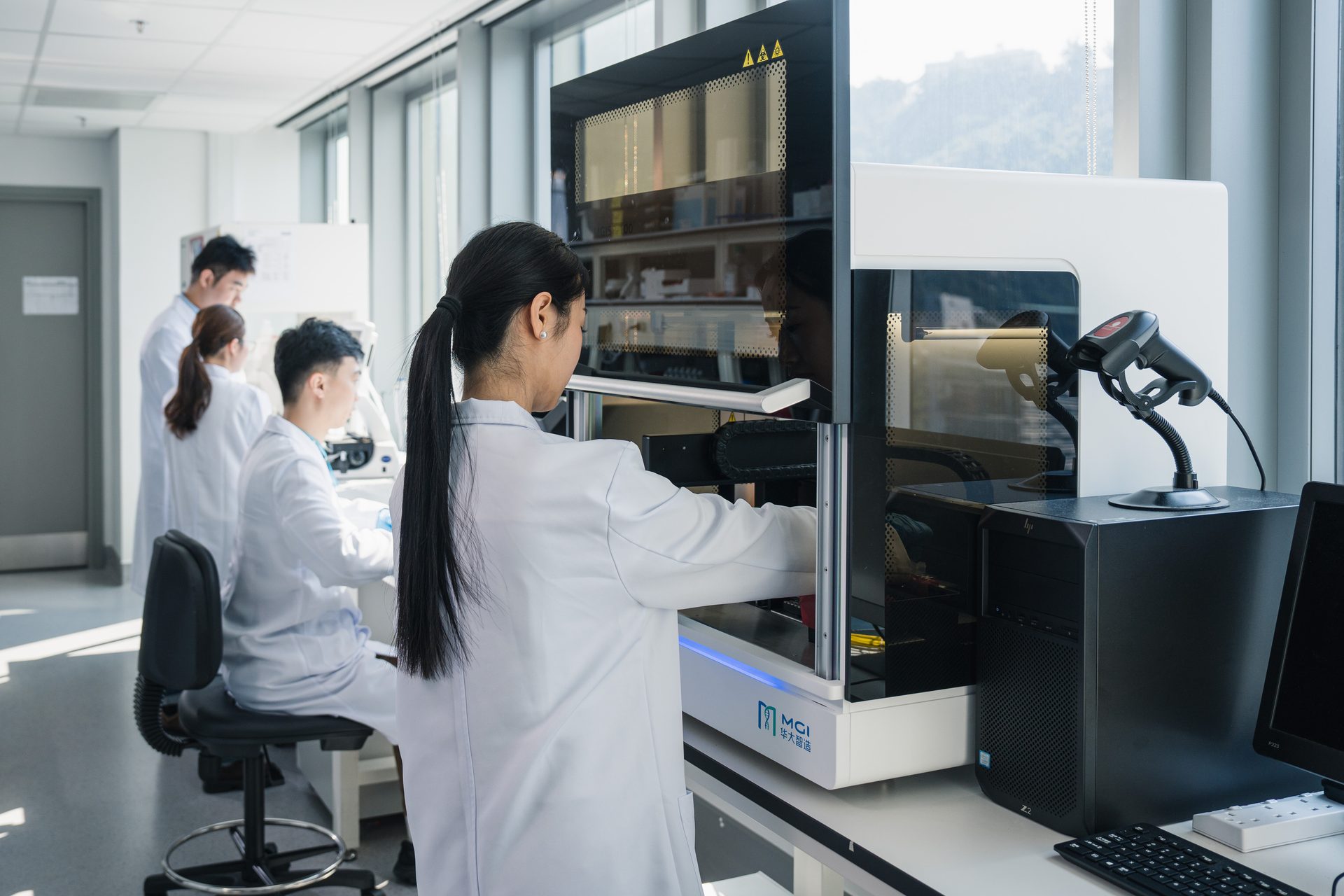
Scientists in lab coats using MGI lab equipment and computers in a modern research facility.

Our Research

We translate discoveries into innovative solutions and therapies.

How we drive innovation

Our team harnesses advanced screening platforms to pioneer research in antiviral discovery, promote longevity, and support healthy aging.

We develop innovative regenerative medicine solutions for osteoarthritis, blood disorders, and cardiovascular diseases.

Above all, we strive to solve critical health challenges, including immune disorders, organ failure, and neurodegenerative diseases.

Powered by EPSC technology, we deliver stem cell solutions that transform patient care and accelerate research.

Our Focus
Learn more

Intelligent Drug Screens

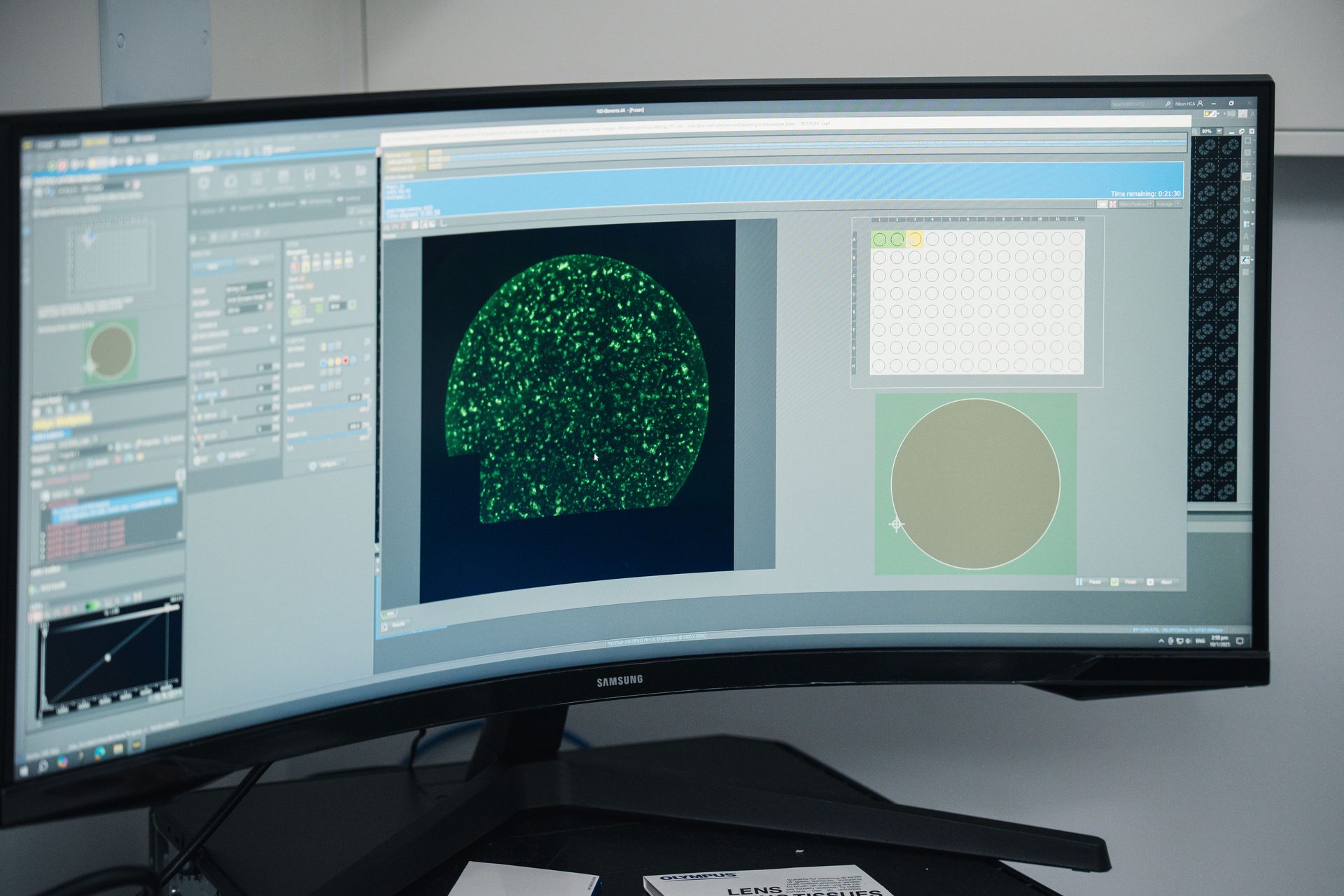
A curved monitor displays scientific software with a green microscopic image of cells and various control panels.

Precision Medicine

Learn more

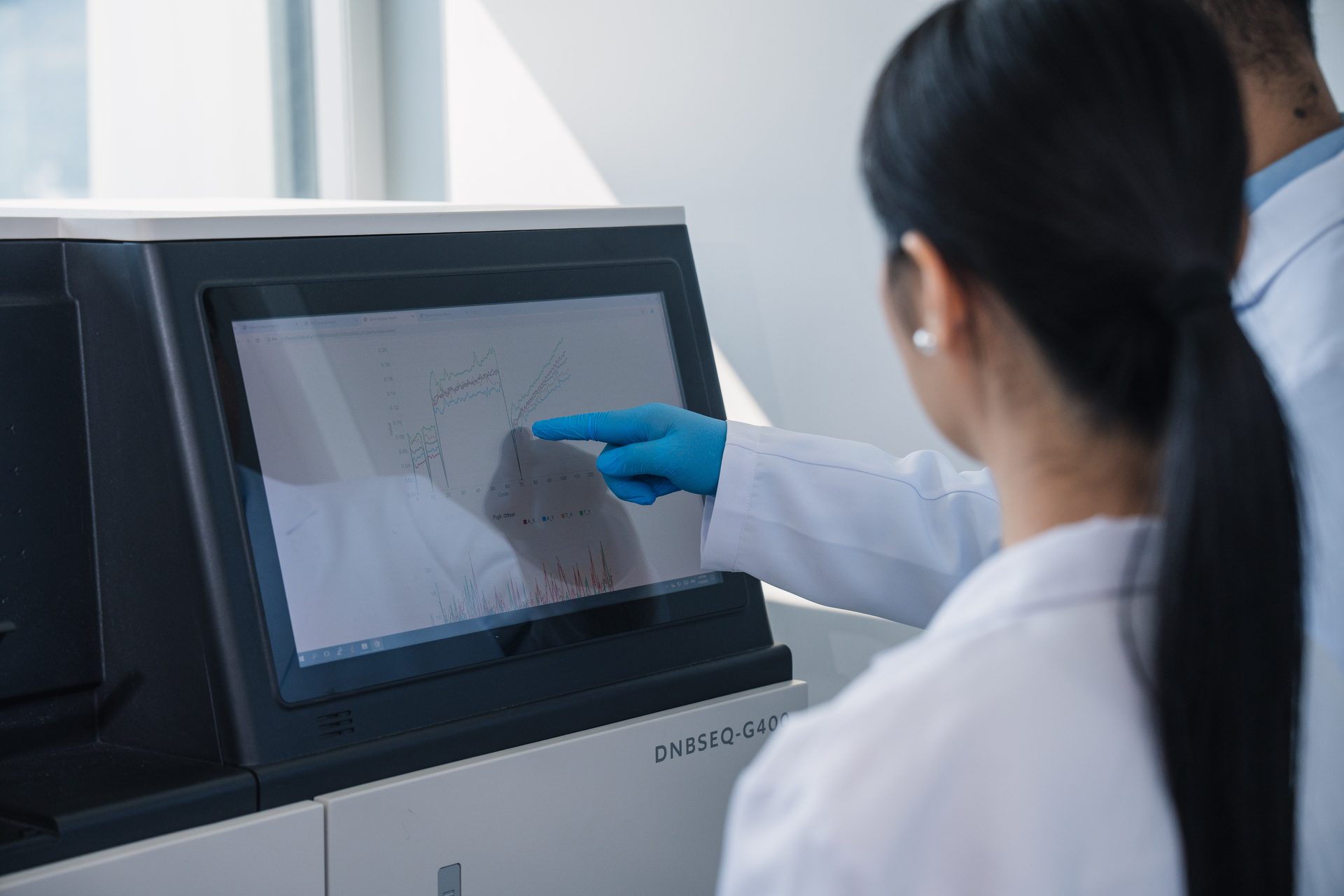
A scientist in a lab coat and blue glove points at graphs on a large screen of a DNA sequencer.

Cell-based Therapies

Learn more

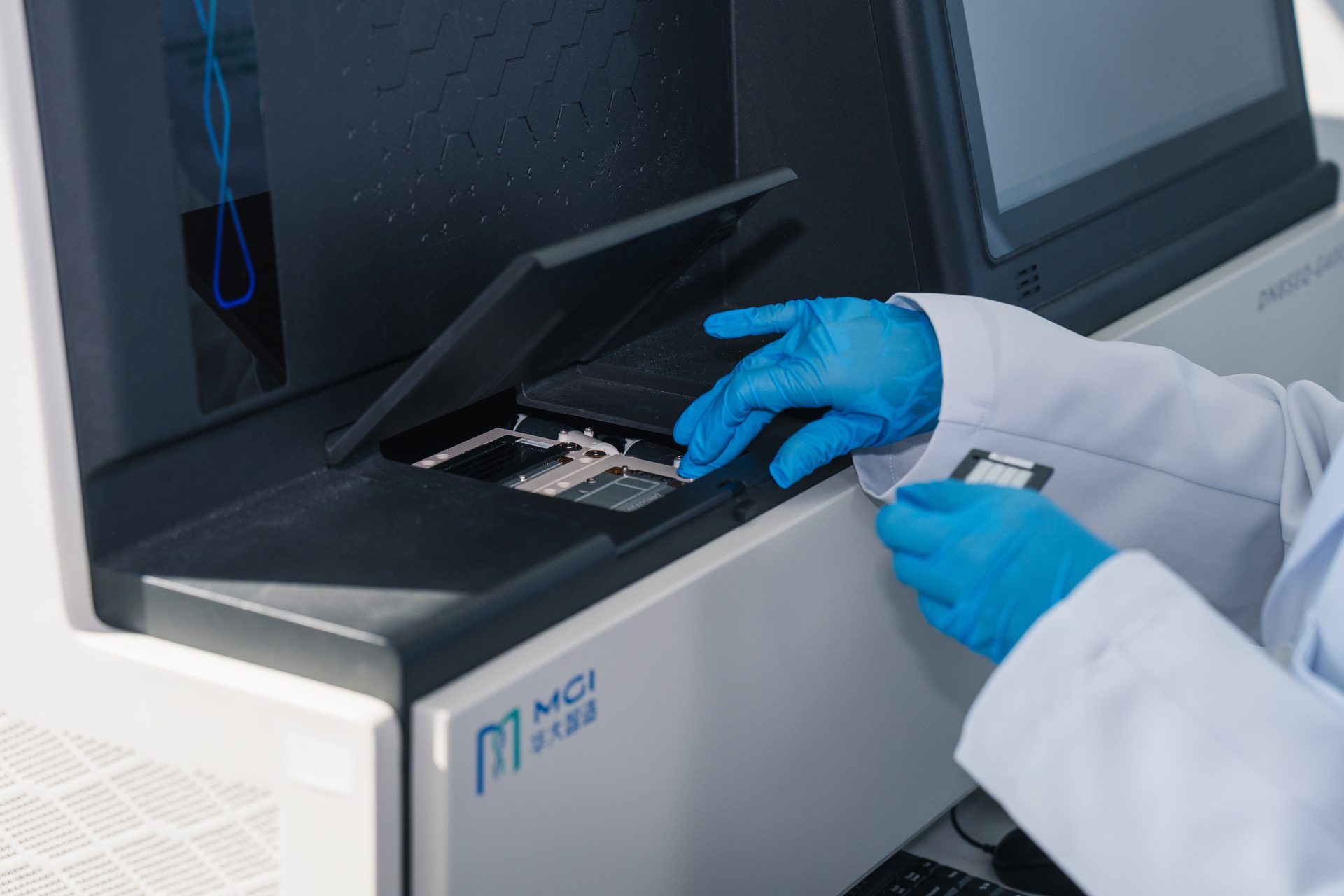
A scientist in blue gloves places a sample into an MGI DNA sequencing machine.

Learn more

A curved monitor displays scientific software with a green microscopic image of cells and various control panels.

Intelligent Drug Screens

Learn more

A scientist in a lab coat and blue glove points at graphs on a large screen of a DNA sequencer.

Precision Medicine

Learn more

A scientist in blue gloves places a sample into an MGI DNA sequencing machine.

Cell-based Therapies

Our EPSC-derived human cellular models power intelligent screening platforms that faithfully replicate in vivo human biology. This leads to improved prediction accuracy, lowers drug development risks, and boosts success rates in drug discovery.

Intelligent Drug Screens

SWIPE TO SEE MORE

From just a few drops of blood, we generate personalized EPSCs for donors of any age or health condition. These patient-specific cells enable the creation of disease-relevant tissues and organoids that precisely model individual biology, supporting tailored treatment testing.

Precision Medicine

SWIPE TO SEE MORE

Leveraging our proprietary EPSC technology, we are developing GMP-grade EPSCs and EPSC-derived cellular products. This accelerates the journey from lab to real-world applications, bringing cutting-edge cell-based therapies closer to patients in Hong Kong and beyond.

Cell-based Therapies

SWIPE TO SEE MORE

We welcome diverse collaboration opportunities, including joint research initiatives, technology licensing agreements, sponsored research, clinical trial partnerships, and industry-sponsored initiatives.

Work Together for Innovation
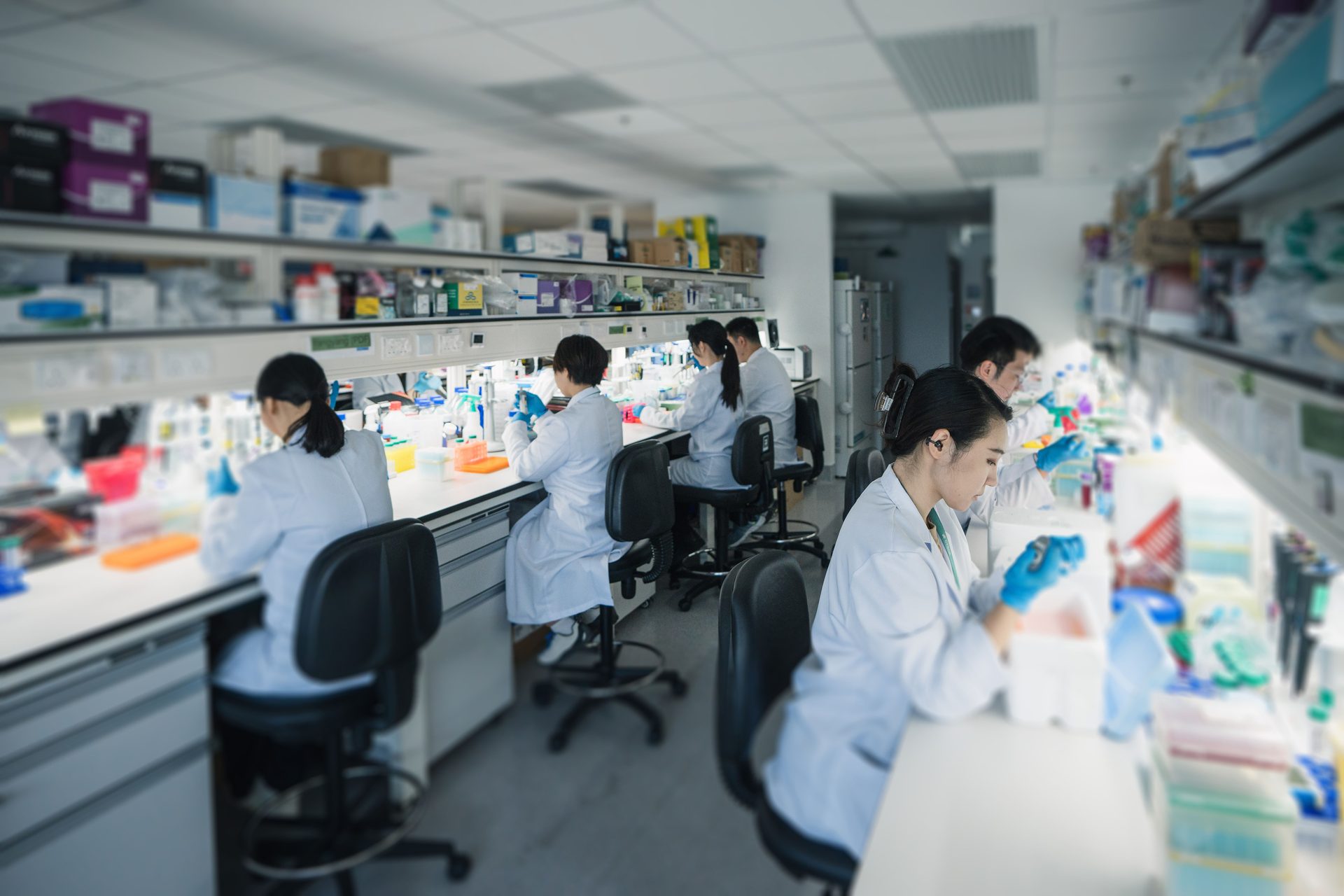
Scientists in lab coats and gloves conducting experiments at benches in a modern research laboratory.

Copyright ©2026 All rights reserved | InnoHK Centre for Translational Stem Cell Biology